Lost in the Rhythm of Recife’s Urban Soul
Ever wondered what it feels like to walk through a city that dances to its own beat? Recife, Brazil isn’t just a dot on the map—it’s a living, breathing tapestry of color, sound, and soul. I roamed its streets, soaked in the ocean-kissed skyline, and discovered a side of urban Brazil most travelers never see. This is exploration at its rawest, where every corner tells a story. From colonial plazas to modern murals, from coastal promenades to bustling markets, Recife pulses with authenticity. It doesn’t cater to the postcard cliché; it lives beyond it. To walk here is to feel the city’s rhythm in your step, to hear its music in the breeze, and to see its history painted on walls both old and new.
First Impressions: Stepping into Recife’s Pulse
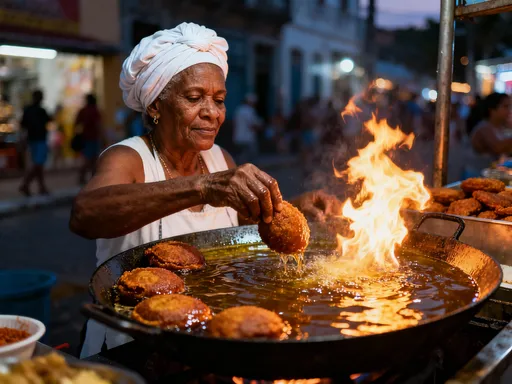
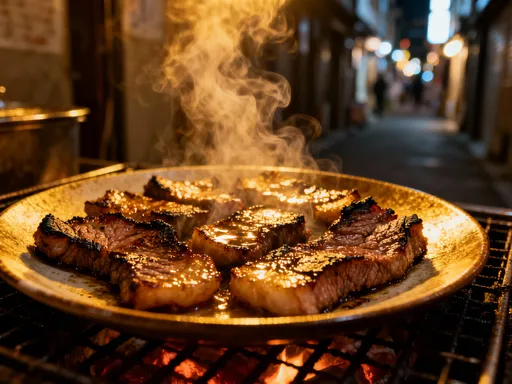
From the moment you arrive, Recife announces itself with energy. The air carries a salty tang from the Atlantic, mingled with the scent of street food sizzling on open grills. Music drifts from open windows—percussion beats, brass notes, the steady pulse of something deeply rooted. The city unfolds across a network of rivers and inlets, where land and water blur into one another. Unlike typical beachfront destinations, Recife is not just beside the sea—it is entwined with it. Skyscrapers rise along the coast, their glass facades reflecting golden sunsets, while centuries-old churches and cobblestone alleys whisper stories from another era.
What strikes most is the city’s rhythm. It doesn’t rush like São Paulo or sprawl like Rio—it flows. People move with purpose but without haste, greeting neighbors, pausing at kiosks, laughing under palm trees. The pace feels intentional, shaped by generations of coastal life and cultural fusion. This is a city where the urban meets the elemental, where modernity coexists with tradition in a dynamic, ever-evolving balance. As the sun dips below the horizon, casting long shadows across the bridges, you begin to understand: Recife is not a place you merely visit. It’s a place you feel.
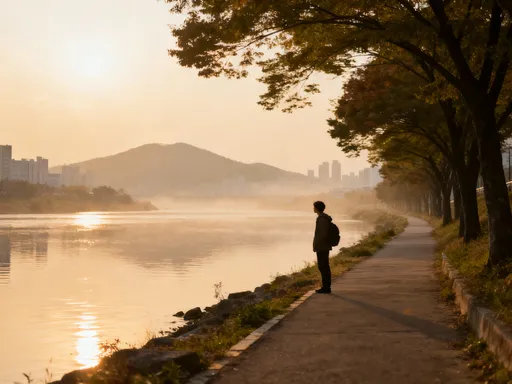
The geography alone sets it apart. Built on a series of islands and peninsulas, Recife is crisscrossed by five major rivers and countless smaller channels. This intricate water system has shaped its development, its economy, and its identity. The nickname “Brazilian Venice” is not just poetic—it’s literal. Yet, unlike the serene canals of Italy, Recife’s waters are alive with movement: boats ferrying goods, fishermen casting nets, kayakers gliding through morning mist. The city’s skyline, dotted with bridges, tells a story of connection—between neighborhoods, histories, and ways of life.
The Heartbeat of the Old Town: Recife Antigo
If Recife has a soul, it lives in Recife Antigo, the city’s historic heart. Once a neglected port area overshadowed by industrial decline, this district has undergone a remarkable transformation. Today, it stands as a vibrant cultural hub, where the past is not preserved behind glass but celebrated in motion. Cobblestone streets, worn smooth by centuries of footsteps, now echo with live music, laughter, and the clink of glasses from sidewalk cafes. Abandoned warehouses have been reborn as art galleries, performance spaces, and boutique restaurants, their colonial facades carefully restored but never sanitized.
At the center of it all is Marco Zero, a grand public square that serves as both a landmark and a gathering place. By day, it’s a quiet expanse of stone and greenery; by evening, it transforms into a stage for festivals, open-air markets, and community celebrations. During Carnival, the square becomes a sea of color and sound, where dancers in elaborate costumes move to the thunderous beat of maracatu drums. But even on ordinary weekends, Marco Zero pulses with life—families strolling, couples dancing informally, children chasing bubbles in the breeze.
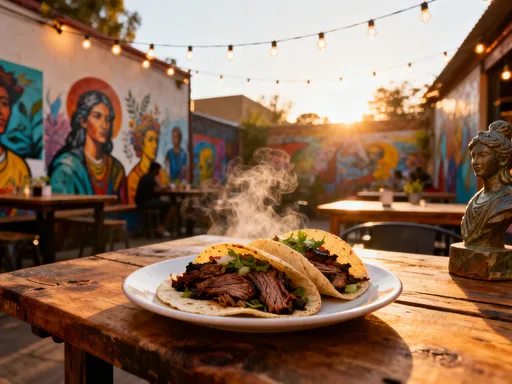
Wandering through the side streets, you’ll find a striking dialogue between old and new. Colonial buildings with ornate stonework stand shoulder to shoulder with bold street art, their walls transformed into canvases of social commentary, Afro-Brazilian pride, and urban poetry. A 17th-century church might sit across from a mural depicting a powerful female figure draped in traditional African fabric, her eyes steady, her presence commanding. These contrasts are not accidental—they reflect Recife’s identity as a city of resilience and reinvention. History here is not frozen; it’s fluid, interpreted, and continually reimagined by those who live it.
Bridges That Connect More Than Land
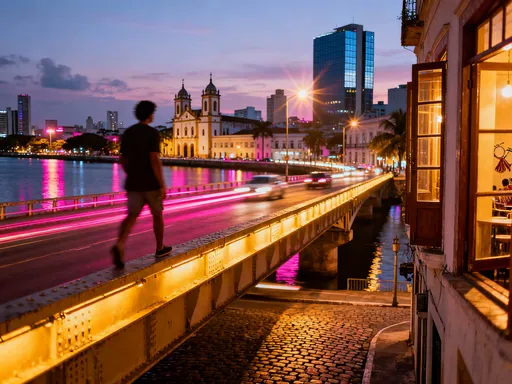
In a city divided by water, bridges are more than infrastructure—they are lifelines. Recife’s network of over 50 bridges links islands, neighborhoods, and social worlds. Each span tells a story of movement, access, and connection. The Presidente Dutra Bridge, one of the most prominent, connects the bustling downtown core to the upscale neighborhood of Boa Viagem. By day, it’s a steady stream of buses, cars, and motorcycles. By dusk, as the city lights begin to glow, it becomes something else entirely—a ribbon of light, a passage between two rhythms of life.
Walking across the bridge offers a unique vantage point. To the east, the Atlantic stretches endlessly, its waves crashing against the reef that protects Boa Viagem Beach. To the west, the cityscape rises in layers—colonial rooftops, modern towers, clusters of tightly packed homes climbing the hills. The contrast is striking. On one side, high-rise apartments with ocean views and tree-lined avenues; on the other, dense urban blocks where life unfolds in narrow streets and open-air markets. The bridge doesn’t just connect geography—it connects realities.
Yet, these connections are not always equal. While the bridges physically link areas, they also highlight disparities in access, opportunity, and quality of life. Public transportation routes, healthcare access, and educational resources vary significantly from one side to another. Still, the bridges remain symbols of unity—places where people from all walks of life pass daily, sometimes exchanging glances, sometimes sharing a smile. They remind us that despite differences, movement is constant, and connection is possible. In a city shaped by water, the bridges are where Recife holds itself together.
Boa Viagem: Where Skyline Meets Sea
Boa Viagem is perhaps Recife’s most photographed neighborhood, and for good reason. Its sweeping coastline curves like a crescent moon, lined with a continuous promenade and a skyline of sleek high-rises. Palm trees sway in the breeze, and the sound of waves provides a constant, soothing backdrop. This is urban luxury meeting natural beauty—a place where residents wake up to ocean views and fall asleep to the rhythm of the tides.
By day, the beachfront comes alive with activity. Families spread out on towels, children build sandcastles, and vendors walk by with coolers of coconut water and snacks. The promenade is popular for jogging, cycling, and leisurely strolls. But swimming in the ocean is limited due to strong currents and the presence of marine life, including occasional sharks—a fact that has led to safety measures like shark nets and restricted zones. While this may disappoint some visitors hoping for a swim, it doesn’t diminish the area’s appeal. Instead, it shifts the focus to the experience of being near the sea—watching the waves, feeling the salt spray, listening to the gulls.
As evening falls, Boa Viagem transforms. The promenade quiets, the lights of the high-rises flicker on, and the beach becomes a place of reflection. Couples walk hand in hand, elders sit on benches gazing at the horizon, and the occasional street musician plays softly in the distance. The skyline, illuminated against the darkening sky, creates a postcard-perfect scene, yet one that feels lived-in rather than staged. This is not a tourist-only zone—it’s a residential neighborhood where life unfolds at a comfortable, balanced pace.
Boa Viagem also offers excellent dining options, from casual seafood kiosks to upscale restaurants serving regional specialties like *peixe frito* (fried fish) and *carne de sol* (sun-dried beef). Many establishments are located right on the promenade, allowing diners to enjoy their meals with an ocean view. The area is also home to mid-range and luxury hotels, making it a popular base for visitors who want comfort and convenience without sacrificing authenticity.
Hidden Layers: Markets, Murals, and Local Life
To truly know Recife, you must step beyond the postcard scenes and into its everyday spaces. One of the best places to do this is the Mercado de São José, a sprawling indoor market that has been in operation since the 19th century. More than just a place to shop, it’s a sensory experience. The air is thick with the scent of dried peppers, fresh herbs, and tropical fruits. Vendors call out prices, artisans display hand-carved wooden figures, and locals haggle over the price of fish still glistening from the morning catch.
The market is organized into sections—produce, seafood, crafts, religious items—but the boundaries are fluid. You might start by browsing baskets of *açaí* and *cupuaçu*, then find yourself in a corner dedicated to *Candomblé* and *Umbanda* supplies, where candles, beads, and ritual objects are arranged with care. This reflects Recife’s deep Afro-Brazilian roots, a cultural foundation that shapes everything from religion to music to cuisine. The market isn’t staged for tourists; it’s a working space where life happens in real time.
Not far from the market, the Santo Antônio district offers another layer of Recife’s identity—its street art. Once an overlooked neighborhood, it has become an open-air gallery where walls tell stories. Murals depict historical figures, social justice themes, and scenes of daily life, often rendered in bold colors and dynamic compositions. Some honor local heroes; others address issues like inequality, environmental protection, and women’s rights. These artworks are not just decorative—they are acts of expression, resistance, and pride.
Walking through Santo Antônio, you’ll notice how residents interact with the art. A shop owner might place a chair in front of a mural to create a mini gallery; children might pose for photos beside a painted jaguar. The art is part of the neighborhood’s fabric, not separate from it. For visitors, experiencing these spaces feels like being welcomed into a private world—one that reveals the city’s soul in ways no guidebook can.
The Soundtrack of the Cityscape
If you close your eyes in Recife, you’ll still know where you are—because this city has a soundtrack like no other. Music isn’t just entertainment here; it’s a language, a tradition, a way of life. The most iconic sound is *maracatu*, a powerful Afro-Brazilian rhythm with roots in royal ceremonies and religious rituals. Its deep, resonant drums and call-and-response vocals echo through the streets, especially during Carnival, when *maracatu* groups parade in elaborate costumes, their movements both regal and rhythmic.
Then there’s *frevo*, a fast-paced, high-energy genre that originated in Recife and is now a symbol of the city’s Carnival. With its bright brass bands and acrobatic dancers twirling small, colorful umbrellas, *frevo* is pure joy in motion. Even outside the festival season, you’ll hear echoes of it in community centers, plazas, and street performances. Local schools and cultural groups keep the tradition alive, teaching young people the steps, the music, and the history behind it.
And then there’s *mangue beat*, a more recent musical movement that emerged in the 1990s as a fusion of traditional rhythms with rock, hip-hop, and electronic music. Pioneered by artists like Chico Science and Nação Zumbi, *mangue beat* was more than a genre—it was a cultural manifesto, a call to reclaim urban identity through art and innovation. Today, its influence can be heard in bars, festivals, and independent music venues across the city.
What’s remarkable is how music permeates daily life. You don’t need to attend a concert to experience it. It spills from open windows, blares from passing cars, rises from street corners where impromptu jam sessions break out. In Recife, music isn’t something you consume—it’s something you live. It shapes the city’s tempo, turns ordinary moments into celebrations, and connects people across generations and neighborhoods.
Practical Magic: Navigating Recife with Ease
Exploring Recife is deeply rewarding, but like any vibrant urban destination, it requires thoughtful planning. The city is large and layered, with distinct neighborhoods that each have their own rhythm and character. The good news is that getting around is manageable with the right tools and mindset. Public transportation includes an extensive bus network and a modern metro system that connects key areas like Recife Antigo, Boa Viagem, and the central business district. The metro is clean, reliable, and especially useful for avoiding traffic during peak hours.
For shorter distances, walking is often the best option—especially in historic areas like Recife Antigo and Santo Antônio, where narrow streets and pedestrian zones make driving impractical. Comfortable shoes are a must, as are a water bottle and sun protection. Taxis and ride-sharing services like Uber are widely available and offer a safe, convenient way to travel, particularly at night.
When it comes to accommodations, Boa Viagem and Recife Antigo are ideal choices. Boa Viagem offers modern hotels with ocean views, many of which include amenities like pools, restaurants, and fitness centers. Recife Antigo, on the other hand, has a growing number of boutique hotels and guesthouses that blend historic charm with contemporary comfort. Staying in either area puts you within easy reach of dining, culture, and transportation hubs.
For a smoother experience, consider downloading local apps that provide real-time transit updates, safety alerts, and recommendations for restaurants and events. Many of these are available in English and are user-friendly. It’s also wise to carry small bills for markets and street vendors, and to keep valuables secure in crowded areas. Most importantly, approach the city with curiosity and respect. Recife rewards those who move with its rhythm—pausing to listen, observing the details, and engaging with locals in a spirit of openness.
Why Recife Stays With You
Recife doesn’t impress with perfection. It doesn’t offer the polished ease of a resort town or the curated charm of a museum-city. Instead, it reveals itself in layers—sometimes chaotic, often beautiful, always alive. To walk its streets is to experience urban Brazil in its full complexity: a place where history and modernity collide, where culture thrives in both grand plazas and hidden alleys, where music is not just heard but felt in the bones.
What makes Recife unforgettable is its authenticity. It doesn’t perform for visitors; it simply exists, on its own terms. You won’t find staged photo ops or artificial attractions. What you will find is real life—families laughing at markets, artists painting on cracked walls, dancers moving to rhythms passed down for generations. This is a city that invites participation, not just observation.
And once you’ve walked with its rhythm, once you’ve felt the salt on your skin and the beat in your chest, you carry a piece of it with you. It stays in your memory not as a collection of sights, but as a feeling—a sense of connection, of movement, of being part of something larger. Recife doesn’t just show you a place. It lets you feel a pulse. And that pulse, once felt, never truly fades.