You Gotta Try This: Sendai’s Food Scene Will Blow Your Mind
If you think Japanese cuisine is just sushi and ramen, let me stop you right there. I went to Sendai expecting temples and nature, but what totally stole my heart was the food culture—rich, bold, and deeply local. From sizzling beef tongue to steaming bowls of zunda mochi, every bite told a story. This isn’t just eating; it’s a full-on sensory journey into Tohoku’s soul. Trust me, you’ve never tasted Japan like this.
Why Sendai is a Hidden Food Paradise
Often overshadowed by Tokyo, Kyoto, or Osaka, Sendai quietly holds its place as one of Japan’s most underrated culinary destinations. Nestled in the heart of the Tohoku region, the city serves as a gateway to mountains, coastlines, and farmland that have nourished its people for centuries. But beyond its scenic beauty and historical landmarks like the Aoba Shrine and the ruins of Sendai Castle, it is the food that truly defines the city’s spirit. Unlike the polished, trend-driven dining scenes of Japan’s metropolises, Sendai offers something more intimate: a cuisine rooted in resilience, seasonality, and tradition.
The city’s location plays a pivotal role in shaping its unique food identity. Bordered by fertile plains, dense forests, and the Pacific Ocean, Sendai benefits from an abundance of fresh ingredients. Local rice, apples, mushrooms, and seafood flow directly from nearby farms and fishing villages into markets and kitchens. This farm-to-table ethos isn’t a modern trend here—it’s a way of life. The cold winters and humid summers of northern Japan also influence preservation techniques, giving rise to pickled vegetables, smoked fish, and fermented pastes that add depth and complexity to the regional palate.
Walking through Sendai’s downtown in the early morning, you can feel the pulse of this food culture. The air carries the scent of grilling meat from yakiniku stalls, the earthy aroma of miso simmering in pots, and the sweet fragrance of freshly steamed mochi. At the Rengo Market, vendors arrange glistening scallops, plump oysters, and bright orange salmon roe on ice, while farmers proudly display baskets of purple sweet potatoes and crisp daikon radishes. This isn’t a performance for tourists—it’s the daily rhythm of a city that eats with intention and pride.
What makes Sendai especially appealing to travelers seeking authenticity is its resistance to over-commercialization. While other Japanese cities have adapted their cuisines to global tastes, Sendai remains steadfast in its local flavors. There are no gimmicky fusion dishes or Instagram-driven food trends dominating the scene. Instead, you’ll find generations-old recipes passed down in family-run eateries, where the focus is on quality, not spectacle. For a 30- to 55-year-old woman who values meaningful travel experiences—ones that connect her to people, places, and traditions—Sendai offers a rare and rewarding opportunity to taste Japan as it’s truly lived.
Gyutan: The Star of Sendai’s Table
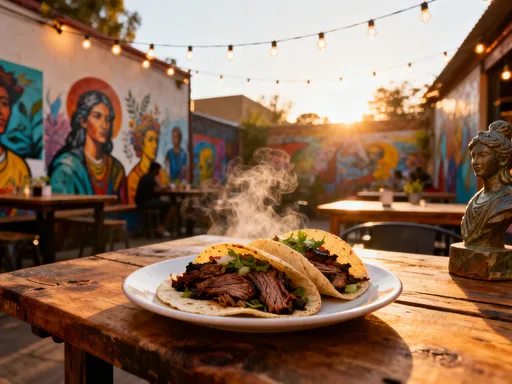
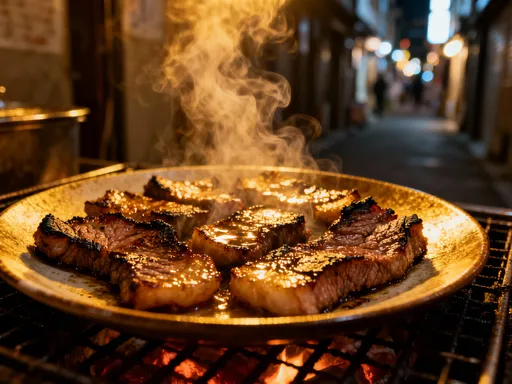
No exploration of Sendai’s food scene is complete without encountering its most iconic dish: gyutan, or grilled beef tongue. More than just a local specialty, gyutan is a cultural emblem, a symbol of the city’s ingenuity and culinary pride. First popularized in the 1950s by a pioneering chef who sought to make use of an overlooked cut of meat, it has since become a must-try for visitors and a point of daily delight for residents. The dish is deceptively simple—thinly sliced beef tongue, lightly salted, and grilled over charcoal—but the result is anything but ordinary.
The perfect bite of gyutan strikes a delicate balance: crisp on the outside, tender and juicy within. The meat carries a rich, almost buttery flavor, enhanced by the subtle smokiness of the grill. It’s typically served with a side of miso soup, pickled vegetables, and a cold beer, creating a harmonious meal that satisfies both comfort and sophistication. Many long-standing yakiniku restaurants in the Ichibancho and Kotodai Park areas have perfected this craft over decades, with some establishments operating for more than half a century. These are not flashy dining rooms but modest, no-frills spaces where the food speaks for itself.
For travelers, knowing where and how to enjoy gyutan can make all the difference. The most popular spots often have lines, especially during dinner hours, so arriving early—around 5:30 PM—is a wise move. Some restaurants operate on a first-come, first-served basis and may not accept reservations, so patience is part of the experience. While menus are often in Japanese, most places have picture menus or English signage to help guide your order. Don’t hesitate to ask for a set meal, which usually includes grilled tongue, rice, soup, and sides—a convenient and authentic way to dive in.
What’s particularly heartening is how gyutan represents more than just a meal; it reflects the resourcefulness of post-war Japan. At a time when meat was scarce and expensive, using beef tongue—once considered a waste product—was a stroke of culinary innovation. Today, the dish stands as a tribute to that era of resilience, a reminder that nourishment and joy can come from the most unexpected places. For women who appreciate stories behind what they eat, gyutan offers a powerful narrative of transformation, creativity, and community.
Beyond Gyutan: Underrated Local Flavors You Can’t Miss
While gyutan may be the star, Sendai’s food scene shines brightest in its lesser-known specialties—dishes that reveal the quieter, sweeter side of Tohoku’s culinary heritage. One such treasure is zunda mochi, a delicate confection made from sweet edamame paste wrapped around soft rice cakes. The vibrant green paste, made by mashing young soybeans with sugar, has a creamy texture and a subtly nutty flavor that lingers on the palate. Often served chilled, zunda mochi is a favorite during spring and summer, but it’s available year-round in specialty wagashi (traditional Japanese sweets) shops near Aoba Shrine and in department store basements like those at Sendai Parco or AER.
Another must-try is sasa kamaboko, a type of fish cake steamed inside a bamboo leaf, giving it a distinctive shape and a faint herbal aroma. The fish paste, usually made from surimi (processed white fish), is smooth and slightly springy, with a mild umami flavor. The bamboo leaf isn’t just decorative—it helps preserve the cake and adds a subtle fragrance that enhances the overall experience. Sasa kamaboko is often enjoyed as a snack or appetizer, and it makes for an excellent souvenir. Many visitors purchase it from local confectioners or at roadside stands along the scenic routes leading out of the city.
Equally important to the flavor profile of Sendai is Sendai miso, a robust red miso with a deep, slightly sweet-salty taste. Unlike the lighter miso found in Kyoto or the white miso of southern Japan, Sendai’s version is fermented longer and used generously in soups, marinades, and glazes. It’s the secret behind many local dishes, including miso-katsu (pork cutlet with miso sauce) and hearty stews that warm the body during the long winter months. The miso’s intensity reflects the region’s climate and lifestyle—bold, enduring, and full of character.
These foods are more than just tasty bites; they are expressions of Tohoku’s agricultural and fishing traditions. Zunda mochi celebrates the region’s soybean harvest, sasa kamaboko highlights its coastal resources, and Sendai miso embodies the patience and craftsmanship of fermentation. For travelers who value cultural depth, seeking out these specialties offers a meaningful way to connect with the land and its people. Whether enjoyed at a street stall during the Tanabata Festival or purchased as a gift for loved ones back home, these flavors carry the essence of northern Japan in every bite.
Morning Markets and Local Eateries: Eating Like a Resident
To truly understand a city’s food culture, one must follow the locals—and in Sendai, that means starting the day at the market. The Rengo Market, located just a short walk from Sendai Station, is a bustling hub of activity where residents gather to buy fresh seafood, seasonal vegetables, and handmade prepared foods. Open since the early morning, the market transforms into a lively dining destination by 8 AM, with small eateries serving hot bowls of miso soup, grilled scallops, and steamed dumplings. It’s not uncommon to see office workers in suits sharing a table with elderly couples, all united by their love of good food.
One of the joys of Rengo Market is its authenticity. Unlike tourist-centric food halls, this is a place where daily life unfolds in real time. Vendors greet regulars by name, and the rhythm of the market moves with the seasons—crab and oysters in winter, wild mushrooms in autumn, and fresh asparagus in spring. Cash is still king here, so it’s wise to carry yen, and while English signage is limited, most vendors are patient and welcoming. A simple “sumimasen” (excuse me) and a polite smile go a long way in making connections.
Another gem is the Ichibancho Arcade, a covered shopping street lined with small restaurants, bakeries, and specialty shops. This area offers a more diverse range of options, from traditional soba noodle houses to cozy cafes serving local coffee and homemade cakes. It’s an ideal spot for a midday break or an early dinner, especially on rainy days when the covered walkway provides shelter. Many of the eateries here are family-run, with recipes passed down through generations. You might find a tiny ramen shop where the owner remembers your order from last year, or a mochi stall where the owner’s grandmother still helps with the pounding.
For women who appreciate the warmth of community and the comfort of familiar routines, these spaces offer a sense of belonging. Eating at a local market or neighborhood eatery isn’t just about the food—it’s about participating in a shared rhythm of life. There’s a quiet dignity in the way people here treat meals not as transactions, but as moments of connection. By choosing to eat where the locals eat, travelers gain access to a more intimate, human side of Japan—one that’s often missed in guidebooks.
Seasonal Bites: How the Calendar Shapes Sendai’s Plate
In Sendai, the menu changes with the seasons, reflecting a deep respect for nature’s cycles. Unlike cities where global supply chains make strawberries available year-round, Sendai’s cuisine honors the rhythm of the land and sea. Each season brings its own specialties, festivals, and culinary traditions, turning the calendar into a living menu. For travelers who plan ahead, timing a visit around these seasonal shifts can elevate a simple trip into a rich, immersive experience.
Spring arrives with the cherry blossoms, and with it comes a wave of sakura-inspired treats. You’ll find sakura mochi wrapped in pickled cherry leaves, sakura-flavored manju (steamed buns), and even sakura tea served in traditional tea houses. The Aoba Festival, held in late April or early May, celebrates the city’s history with parades, music, and food stalls offering seasonal delicacies. It’s a joyful event where families gather in parks, children laugh with fish-shaped goldfish crackers on sticks, and the scent of grilled yaki-soba fills the air.
Summer ushers in the famous Tanabata Festival, one of Japan’s most colorful celebrations. For three days in early August, the city transforms into a dazzling display of paper decorations, with streamers in red, blue, yellow, and green fluttering above the streets. The festival is not just a visual spectacle—it’s a feast for the senses. Street vendors sell cold somen noodles, grilled corn, and refreshing kakigori (shaved ice) in flavors like matcha and melon. It’s a time of joy and renewal, and the food reflects that spirit of celebration.
Autumn brings harvest festivals and an abundance of mushrooms, chestnuts, and apples. Sendai is close to some of Japan’s top apple-producing regions, and during this season, you’ll find apple pies, cider, and even apple-based savory dishes on menus. Winter, the longest and coldest season, calls for hearty fare: miso stew with root vegetables, hot pot with local fish, and preserved foods like salted salmon and pickled daikon. These dishes aren’t just about warmth—they’re a testament to the region’s ability to thrive even in harsh conditions.
By aligning your visit with these seasonal rhythms, you do more than eat well—you participate in a cultural tradition. Each bite becomes a connection to the land, the weather, and the people who have lived here for generations. For a woman who values mindfulness and intention in her travels, this seasonal awareness offers a deeper, more meaningful way to engage with a new place.
Food + Culture: Understanding Tohoku Through Taste
To eat in Sendai is to understand Tohoku—not just as a region, but as a state of mind. The food here carries values that go beyond flavor: resilience, humility, and a deep respect for nature and community. These qualities became especially evident in the years following the 2011 Great East Japan Earthquake and tsunami, which deeply affected the Tohoku region. In the aftermath, many farms, fisheries, and restaurants were damaged or destroyed. Yet, rather than retreat, the people of Sendai chose to rebuild through food.
Local chefs, farmers, and artisans worked together to revive their industries, often turning their kitchens into spaces of healing and hope. Farm-to-table restaurants began highlighting locally sourced ingredients, not just for freshness, but as a way to support recovery. Some cafes were opened by survivors, turning personal stories into quiet acts of courage and connection. Today, dining in Sendai often means supporting these efforts—every meal becomes a small act of solidarity.
This spirit is also reflected in community food events, where residents gather to cook and share meals as a way of strengthening bonds. During festivals, it’s common to see volunteer groups serving free food to visitors, not for profit, but for connection. These gestures, though simple, speak volumes about the culture of care that defines the region.
For travelers, especially women who value empathy and emotional depth, engaging with this aspect of Sendai’s food scene can be profoundly moving. It’s not just about what you eat, but why it matters. The flavors are richer because they carry stories of perseverance. The hospitality is warmer because it comes from a place of shared experience. In a world where travel can sometimes feel superficial, Sendai offers a rare opportunity to eat with purpose and meaning.
Planning Your Food-Focused Trip: Logistics Made Simple
Reaching Sendai is easier than many realize. The city is just **90 minutes by Shinkansen (bullet train) from Tokyo**, making it an ideal destination for a long weekend or a multi-day getaway. Trains are frequent, clean, and comfortable, and the journey itself offers stunning views of the countryside. Once you arrive at Sendai Station—one of the largest and most modern in northern Japan—you’ll find clear signage in English and helpful staff at tourist information centers.
For first-time visitors, staying in the **downtown area near Sendai Station** is the most convenient choice. This puts you within walking distance of major attractions, shopping arcades, and a wide range of dining options. Mid-range hotels like the Richmond Hotel or Hotel Metropolitan offer comfort and value, while guesthouses and ryokan (traditional inns) provide a more immersive experience. If you’re planning a deeper dive into the food scene, consider booking a guided food tour or a cooking class, which can help you navigate language barriers and discover hidden gems.
A suggested itinerary might begin with a morning at Rengo Market, followed by a stroll through Aoba Shrine and a visit to a zunda mochi shop. Lunch could be gyutan at a local favorite, then an afternoon exploring Ichibancho Arcade. For a longer stay, consider a day trip to Matsushima Bay, one of Japan’s Three Most Scenic Views, where you can enjoy fresh seafood while overlooking the iconic pine-covered islands. Pairing food with nature creates a balanced, enriching experience.
Budget-wise, Sendai is more affordable than Tokyo or Kyoto. A meal at a mid-range restaurant typically costs between $10 and $20, while street food and market snacks can be as low as $3 to $5. Tap water is safe to drink, and public restrooms are clean and well-maintained. While credit cards are accepted in larger establishments, it’s wise to carry cash for smaller vendors and markets.
Ultimately, the best way to experience Sendai is to slow down. Put away the checklist. Sit a little longer at that quiet miso shop. Ask the vendor about her family recipe. Let the flavors linger. Because in Sendai, food isn’t just fuel—it’s a language, a history, a home. And for those willing to listen, it has a powerful story to tell.