You Won’t Believe These Secret Wild Corners I Found Near Nantes
I never thought a city like Nantes could hide such wild, untouched escapes. But just beyond its cobbled streets and trendy cafés, I stumbled upon something unexpected—protected green havens where nature rules and crowds don’t. These aren’t tourist traps or Instagram-famous spots. They’re quiet, protected areas where birds outnumber people and the air smells like moss and rain. If you’re craving peace, real green space, and a side of France most visitors miss, this is for you. These natural sanctuaries offer a rare chance to reconnect with the rhythm of the wild without traveling far from urban comfort. They are not only beautiful but ecologically vital, quietly sustaining life in ways we often overlook. This journey into Nantes’ hidden green belt reveals how cities and nature can coexist—and why discovering these places might change how you travel forever.
The Hidden Side of Nantes: More Than Just a City
Nantes is often celebrated for its artistic soul, futuristic machines like the giant mechanical elephant, and its revitalized industrial waterfront. Yet, beneath its cosmopolitan charm lies a quieter, greener truth: the city is cradled by a network of officially protected natural spaces. These include regional parks, wetlands, and river corridors that are carefully managed to preserve biodiversity while welcoming respectful visitors. Unlike the manicured gardens or city parks designed for leisure, these areas are wilder by intent—spaces where native plants grow unchecked, birds nest undisturbed, and water flows with seasonal freedom. They are not hidden because they are inaccessible, but because they are overlooked in favor of more celebrated urban attractions.
What makes these areas remarkable is their legal protection and ecological function. Many fall under the designation of Natura 2000, a European-wide network of conservation sites aimed at safeguarding endangered species and habitats. This means activities within these zones are regulated to prevent overuse, pollution, or habitat destruction. For travelers, this translates into an experience that feels authentic and uncurated. You won’t find souvenir kiosks or crowded viewpoints—just trails, observation decks, and the quiet hum of nature. These spaces are not merely decorative; they serve as vital lungs for the region, filtering air and water, supporting pollinators, and offering refuge to countless species.
Despite their proximity to the city, many residents and tourists alike remain unaware of these natural gems. Part of the reason is subtle: the marketing of Nantes emphasizes its cultural renaissance, not its ecological richness. Yet for those willing to step off the beaten path, the reward is a deeper connection to place. These green zones remind us that cities do not have to be separate from nature—they can be integrated with it in meaningful, sustainable ways. The hidden side of Nantes is not a secret to be hoarded, but a model to be appreciated and emulated in urban regions worldwide.
Exploring the Brière Regional Natural Park: A Wild Wetland Escape
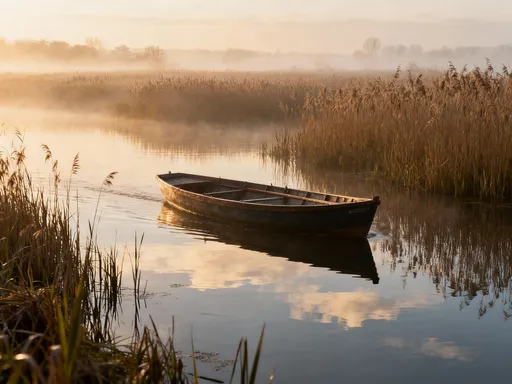
Just 30 minutes from Nantes lies one of Western France’s most remarkable natural landscapes—the Brière Regional Natural Park. Covering over 10,000 hectares, this vast wetland is a mosaic of reed beds, shallow lakes, and meandering waterways. It is one of the largest marshlands in France and has been protected since 1970 for its ecological significance and cultural heritage. Here, the land breathes with the seasons—flooding in winter, drying in summer, and always teeming with life. The park is home to more than 200 bird species, including the purple heron, the bittern, and the elusive kingfisher, whose flash of turquoise can send a thrill through even the most casual observer.
What sets Brière apart is not just its biodiversity, but its human history woven into the landscape. For centuries, locals have lived in harmony with the marsh, building traditional thatched cottages known as *loges*, raised on wooden platforms to withstand the water. These structures, some still inhabited or used as seasonal retreats, are a testament to sustainable living long before the term became fashionable. Visitors can see them up close during guided boat tours, which glide silently through narrow channels in flat-bottomed *plates*—traditional boats designed for navigating shallow waters without disturbing the delicate ecosystem.
Exploring Brière on foot is equally rewarding. A network of wooden boardwalks and gravel paths allows access to observation points without damaging the fragile soil. One of the most popular trails leads through the heart of the marsh, where reeds tower overhead and the sound of frogs and warblers fills the air. In spring and early summer, the marsh blooms with wildflowers—yellow iris, purple loosestrife, and water lilies—painting the landscape in soft, shifting hues. Bicycles are also welcome on designated routes, offering a peaceful way to cover more ground while minimizing environmental impact.
The atmosphere in Brière is nothing short of magical—quiet, reflective, and deeply calming. It’s a place where time slows, and the usual distractions of modern life fade. Yet this tranquility is not accidental; it is the result of careful stewardship. The park’s management balances public access with conservation, limiting motorized boats and enforcing strict rules on waste and noise. For travelers seeking more than sightseeing, Brière offers a rare chance to witness nature functioning as it should—wild, self-sustaining, and resilient. It’s not an attraction to be conquered, but a space to be entered with humility and wonder.
The Loire River’s Protected Banks: Nature’s Urban Buffer
The Loire River, often called the last wild river in Europe, flows gracefully past Nantes, shaping the region’s ecology and identity. Unlike many major rivers that have been channelized or dammed, the Loire retains much of its natural flow, with seasonal floods and shifting sandbanks that support a dynamic ecosystem. Along its banks near Nantes, stretches of protected riparian habitat serve as vital corridors for wildlife and green sanctuaries for people. These zones are not accidental—they are part of a deliberate effort to preserve the river’s health while offering accessible nature experiences just minutes from the city center.
One of the most well-known routes along the river is the Loire à Vélo, a long-distance cycling path that runs from Nevers to Saint-Nazaire, passing through Nantes. This route is more than a recreational trail; it’s a lifeline connecting urban and rural landscapes. Cyclists and walkers glide past willow groves, reed beds, and meadows where dragonflies dart and swallows swoop. The path is carefully designed to minimize disruption to the environment, with bridges that avoid sensitive areas and signage that educates visitors about local flora and fauna.
These protected riverbanks serve multiple essential functions. Ecologically, they provide habitat for fish such as the endangered European sturgeon, as well as amphibians, insects, and migratory birds. They act as natural filters, absorbing pollutants and reducing erosion. From a climate resilience perspective, they function as floodplains, absorbing excess water during heavy rains and protecting nearby communities. In an era of increasing climate uncertainty, such natural infrastructure is invaluable.
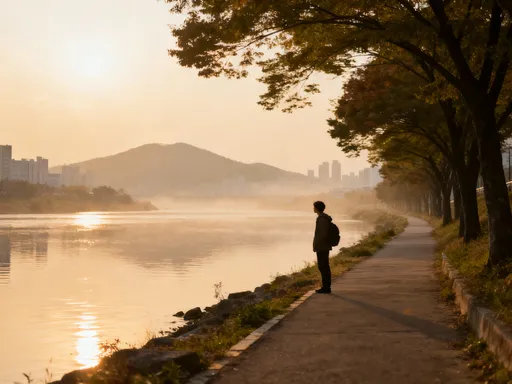
For visitors, the appeal lies in the ease of access and the sense of immersion. You can rent a bike in the morning, ride along the river for a few hours, and feel as though you’ve escaped the city entirely—yet remain within reach of cafés and public transport. The contrast is striking: just beyond the bustle of downtown, the Loire offers stillness and space. Families picnic on grassy banks, children chase butterflies, and photographers wait patiently for a glimpse of a kingfisher or a passing heron. These moments of quiet joy are made possible by policies that prioritize ecological integrity over development. The Loire’s protected banks are not just scenic—they are a living example of how cities can coexist with wild rivers, respecting their rhythms rather than trying to control them.
Couëron’s Alligators? No—But Real Wildlife in the Marais du Grand Trait
A curious rumor occasionally circulates online: that alligators live in the marshes near Couëron, a small town just west of Nantes. The myth likely stems from the warm water discharged by a nearby power plant, which creates an unusually mild microclimate in the Marais du Grand Trait. But despite the tropical-sounding conditions, there are no alligators—only thriving populations of resilient birds, rare plants, and aquatic life that have adapted to this unique environment. The Marais du Grand Trait is a protected wetland managed by conservation groups and local authorities, and it offers one of the most fascinating wildlife experiences in the region.
This marshland is unusual because of the thermal influence from the power plant’s cooling system. The warmer water allows certain species to survive that might otherwise struggle in the Atlantic climate. For example, the marsh supports populations of the little egret and the glossy ibis—birds more commonly associated with southern Europe. In winter, when much of the surrounding countryside is cold and dormant, the Marais remains active, with birds feeding and even nesting earlier than usual. Botanists have also noted the presence of rare aquatic plants that flourish in the milder conditions, adding to the site’s scientific importance.
Visitors can explore the marsh via a well-maintained trail that loops around its perimeter, with several observation hides strategically placed for birdwatching. Early morning is the best time to visit, when mist rises from the water and the marsh comes alive with calls and movement. Guides from local nature associations often lead seasonal tours, sharing insights about the ecosystem and helping visitors spot hidden treasures—a water rail scurrying through reeds, a marsh harrier circling overhead, or the delicate bloom of a water violet. These tours emphasize respect for the environment, teaching participants how to observe without disturbing.
The myth of the alligators, while false, underscores a deeper truth: the Marais du Grand Trait feels slightly exotic, even otherworldly. It challenges our assumptions about what nature should look like and reminds us that ecosystems are adaptable and full of surprises. It also highlights the complex relationship between industry and ecology—where human activity can unintentionally create new habitats. While the thermal discharge is monitored to ensure it doesn’t harm the ecosystem, it has become part of the marsh’s identity. For travelers, the Marais offers a chance to witness nature’s resilience and the unexpected ways life finds a way to thrive.
Why Protected Areas Matter for Travelers (Not Just Scientists)
Protected natural areas are often discussed in terms of conservation biology or climate policy, but their value extends far beyond science. For travelers, especially those seeking meaningful, restorative experiences, these spaces offer something increasingly rare: authenticity. In an age of curated travel content and overcrowded landmarks, protected areas provide unscripted moments—a heron taking flight, a breeze rustling through reeds, the smell of damp earth after rain. These are not performances for tourists; they are glimpses into a world that exists independently of human attention.
What makes these places so powerful is their silence. Not absolute silence, but the absence of human noise—the lack of traffic, announcements, or crowds. In this stillness, visitors often report feeling a sense of clarity and calm. Studies in environmental psychology have shown that exposure to natural environments reduces stress, improves mood, and enhances cognitive function. While these benefits apply to any green space, they are amplified in wilder, less managed areas where the sense of immersion is deeper.
Moreover, visiting protected areas fosters a different kind of tourism—one based on respect rather than consumption. When you walk a boardwalk over a marsh, you are not conquering nature; you are being granted access to it. This shift in perspective can be transformative. It encourages mindfulness, humility, and a greater appreciation for the complexity of ecosystems. It also supports conservation indirectly: when people form emotional connections to places, they are more likely to support efforts to protect them.
Unlike manicured parks or commercial nature attractions, protected areas do not exist to entertain. They exist to preserve. And yet, in doing so, they offer some of the most enriching travel experiences available. They remind us that adventure does not require adrenaline—it can be found in stillness, in observation, in simply being present. For families, couples, or solo travelers seeking peace, these spaces are not just escapes; they are refuges that nourish the spirit and deepen our understanding of the natural world.
Practical Tips for Visiting Nantes’ Natural Havens
Exploring Nantes’ protected natural areas is accessible and rewarding, but a few practical considerations can enhance your experience and ensure you leave no trace. The best time to visit is during the shoulder seasons—spring (April to June) and early autumn (September to October)—when temperatures are mild, wildlife is active, and crowds are minimal. Summer can be pleasant but busier, especially on weekends, while winter offers solitude but requires proper clothing due to damp conditions and shorter daylight hours.
Transportation options vary depending on the site. Brière Regional Natural Park is easily reached by car, with several well-marked entrances and parking areas. Public buses from Nantes also serve key access points, though service may be less frequent on weekends. The Loire à Vélo route is ideal for cyclists, with bike rentals available in Nantes and signage guiding the way. For the Marais du Grand Trait, a short drive or bus ride to Couëron is sufficient, followed by a walk to the trailhead. Biking is also a great option for combining multiple sites in one day.
When packing, prioritize comfort and preparedness. Wear waterproof footwear, especially for marshland trails, and bring layers—conditions can change quickly near water. A light rain jacket, binoculars, and a field guide or nature app can enrich your visit. Carry water and snacks, but avoid single-use plastics; many sites have no trash facilities, so pack out everything you bring in. Sunscreen and insect repellent are recommended in warmer months.
Respecting the environment is essential. Stay on marked trails to avoid damaging fragile vegetation. Follow all posted signs, especially those indicating restricted zones or nesting periods. Avoid feeding wildlife or picking plants. If you’re bringing children, use the opportunity to teach them about conservation in a hands-on way—observing quietly, identifying birds, or learning about the role of wetlands. Consider supporting local eco-initiatives by joining a guided tour, donating to a conservation group, or purchasing from sustainable local vendors. These small actions contribute to the long-term health of these precious spaces.
Beyond Nantes: How This Changes the Way We Travel
Discovering the wild corners near Nantes does more than offer a pleasant day trip—it reshapes our expectations of what travel can be. We often think of adventure as something distant: faraway mountains, exotic beaches, or bustling foreign cities. But true wonder can be found much closer, in the quiet marsh, the riverbank, the protected meadow just beyond the urban edge. These spaces challenge the notion that nature must be ‘elsewhere’—they prove that it can thrive alongside cities, enriching our lives in subtle but profound ways.
This realization invites a new kind of travel—one that values stillness as much as sightseeing, that seeks connection over conquest. It encourages us to look beyond the obvious attractions and ask: what natural refuges exist near the places we visit? Every city has them, if we know where to look. Parks, river corridors, coastal wetlands—these are not just green spaces, but vital sanctuaries for both wildlife and human well-being. By choosing to visit them, we support their preservation and deepen our own sense of belonging in the natural world.
The wild corners near Nantes are not unique in their beauty, but they are special in their accessibility and integrity. They remind us that conservation and enjoyment are not opposites—they can go hand in hand when guided by respect and responsibility. As travelers, we have the power to shape the future of these places through our choices: to tread lightly, to observe deeply, to leave only footprints.
So the next time you plan a trip, consider not just the monuments or markets, but the marshes, the rivers, the quiet woods on the edge of town. Adventure doesn’t always roar. Sometimes, it’s the soft rustle of reeds, the distant call of a bird, the feeling of peace that settles over you when you realize you’re not alone—you’re simply part of something much larger. And that, perhaps, is the most authentic journey of all.