What No One Tells You About Queenstown’s Natural Beauty
Queenstown, New Zealand, is famous for its jaw-dropping landscapes—snow-capped peaks, crystal lakes, and endless trails. But beyond the postcard views, there are hidden pitfalls travelers often overlook. I learned this the way most do: through a soaked jacket, a missed sunrise, and an unexpected detour. What seems like paradise can come with surprises: unpredictable weather, overcrowded trails, and the cost of accessing remote beauty. This is not a warning to stay away—it’s a reality check to help you experience Queenstown’s wilderness more wisely. The truth is, the most rewarding moments in nature are often earned, not handed over by a tour bus.
The Allure of Queenstown’s Natural Landscape
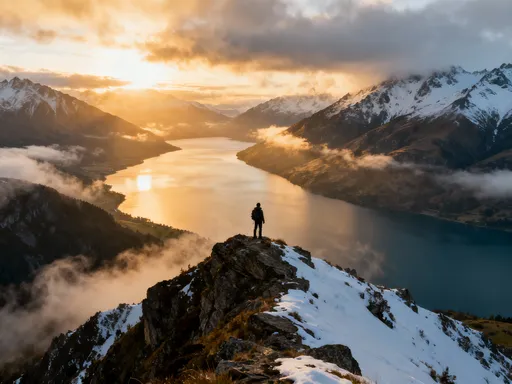
Queenstown rests like a jewel in the heart of New Zealand’s South Island, cradled by the vast expanse of Lake Wakatipu and ringed by the jagged spires of The Remarkables mountain range. The lake itself stretches over 80 kilometers, its glacial waters reflecting the sky in a mirror-like shimmer that shifts from soft silver at dawn to deep sapphire under the midday sun. Every direction offers a new vista—rolling alpine meadows, forested valleys carved by ancient glaciers, and towering cliffs that rise abruptly from the water’s edge. It’s no wonder this region has earned its reputation as the adventure capital of the world.
What draws millions each year isn’t just the thrill of bungee jumping or jet boating—it’s the quiet, overwhelming beauty of the natural world. Photographers come for the golden light that bathes the peaks at sunrise. Hikers seek the solitude of high-altitude trails where the only sound is the wind through tussock grass. Families camp beside the lake, roasting marshmallows under a sky so clear the Milky Way appears within reach. The landscape feels untouched, pristine, almost otherworldly. And in many ways, it is—protected by national park status and managed by conservation efforts that span decades.
But this beauty is not passive. It demands respect. The same forces that shaped these mountains—glaciers, wind, rain—are still at work today. The environment here is dynamic, alive, and occasionally unforgiving. To truly appreciate Queenstown’s natural splendor, one must understand not only what to see, but how to engage with it responsibly. The most memorable experiences are rarely the easiest ones. They come from preparation, patience, and a willingness to adapt. Because while the views may look perfect in photographs, the reality of experiencing them is far more complex—and far more rewarding.
Pitfall #1: Underestimating the Weather
One of the most common mistakes visitors make is assuming that because Queenstown enjoys a reputation for stunning clarity and sunshine, the weather remains predictable. In truth, the region’s climate is notoriously volatile, shaped by its position in the Southern Alps and its proximity to the Southern Ocean. It’s entirely possible to begin a hike under clear blue skies and be caught in a sleet storm within an hour. Sudden drops in temperature, high winds, and zero visibility are not rare—they are routine.
The alpine environment amplifies every weather shift. A breeze at lake level can become a gale on a mountain ridge. Temperatures at higher elevations can plunge below freezing even in the height of summer, especially at dawn or dusk. Hikers have been caught off guard by snow flurries in January, unprepared for the rapid change. Hypothermia is a real risk, particularly for those wearing cotton clothing that retains moisture. The wind chill factor on exposed ridges like the Ben Lomond Summit Track can make conditions feel 10 to 15 degrees colder than the forecast suggests.
The solution lies in preparation. Travelers should always pack multiple layers, including a moisture-wicking base layer, an insulating mid-layer like fleece or down, and a waterproof outer shell. Gaiters and gloves are not luxuries—they are essentials. Checking the forecast should not mean glancing at a generic weather app. Instead, rely on official sources like MetService or the Department of Conservation (DOC) website, which provide mountain-specific conditions. Even then, conditions can change faster than forecasts update. The wisest approach is to build flexibility into your plans. If winds are predicted to exceed 60 km/h, consider postponing a high-altitude hike. If rain is expected, opt for lower-elevation trails like the Lakeside Walk, which remain accessible and scenic even in damp weather. Nature here is not an exhibition—it’s a living system, and respecting its unpredictability is the first step toward a safe and fulfilling experience.
Pitfall #2: Overcrowding at Iconic Spots
The popularity of Queenstown has grown exponentially over the past two decades, and with it, the pressure on its most famous natural attractions. Places like the Queenstown Hill Time Walk, the lookout at Bob’s Peak, and the Milford Sound viewing platforms during peak season can feel less like wilderness escapes and more like urban tourist zones. During the summer months, it’s common to see long lines of tour buses unloading visitors, while popular trails become congested with foot traffic. The very beauty that draws people in is at risk of being diminished by the volume of those seeking it.
Overcrowding does more than disrupt the sense of solitude—it has tangible environmental consequences. Soil erosion increases on narrow paths, vegetation is trampled, and waste left behind by careless visitors can pollute water sources. The DOC has reported that some trails now require seasonal closures to allow for ecological recovery. The Queenstown Hill Track, for example, sees such heavy use that compaction of the soil has reduced water absorption, leading to increased runoff and trail degradation. The irony is that the more people come to admire the landscape, the more they contribute to its wear and tear.
Thankfully, there are ways to avoid the crowds while still experiencing the region’s magic. One of the simplest strategies is timing: arriving at trailheads early in the morning, before 7 a.m., can make a dramatic difference. You’ll often have the path to yourself for the first few hours, with the added benefit of soft morning light perfect for photography. Another approach is to seek out lesser-known alternatives. While the Routeburn Track is one of New Zealand’s Great Walks and often fully booked, the Routeburn Flats offer a quieter, equally beautiful day hike through beech forest and open meadows. The Ben Lomond Saddle, though requiring a strenuous climb, sees fewer visitors than the summit and rewards hikers with panoramic views without the midday throngs.
For those willing to venture a bit further, the Greenstone and Caples Tracks in the neighboring Fiordland National Park offer remote wilderness experiences with minimal foot traffic. These trails follow ancient Māori routes and traverse pristine river valleys, where the only signs of human presence are the well-maintained DOC huts. The key is to shift the mindset from chasing checklists to embracing discovery. The most profound moments in nature often come not from standing in a crowd at a famous viewpoint, but from finding a quiet bend in a river or a secluded alpine clearing all to yourself.
Pitfall #3: Overlooking Permits and Regulations
Many travelers assume that because New Zealand promotes freedom and accessibility in its outdoor spaces, all trails are open to the public at any time. While the country does have a strong tradition of public access to nature, certain areas—especially those designated as national parks or part of the Great Walks system—require advance planning and official permits. Failing to secure these can result in being turned away at trailheads, sometimes after long drives or costly preparations.
The most sought-after tracks, such as the Kepler Track and the Routeburn Track, operate on a booking system managed by the Department of Conservation. These are multi-day hikes that pass through ecologically sensitive zones, and access is limited to protect the environment and ensure visitor safety. During peak season, spots can be fully booked months in advance. Travelers who arrive without reservations are often left disappointed, especially if they’ve arranged transportation, gear rentals, or time off work. Even day-use areas in popular parks like Fiordland or Mount Aspiring may require a conservation pass, particularly for activities like kayaking or backcountry camping.
The solution is straightforward: plan ahead. The DOC website provides detailed information on which tracks require bookings, how to apply, and what passes are needed. For Great Walks, the booking window typically opens in May for the upcoming summer season, and spaces fill quickly. It’s wise to monitor the site and set reminders. For less competitive trails, a simple registration at a nearby DOC visitor center may suffice, but it’s still essential to check in. These regulations are not bureaucratic hurdles—they are part of a broader commitment to preserving New Zealand’s natural heritage. By following them, visitors contribute to the sustainability of these spaces. Respect for rules also extends to fire bans, dog restrictions, and waste disposal policies. The principle of “leave no trace” is not optional here—it’s a shared responsibility.
Pitfall #4: Misjudging Trail Difficulty
One of the most dangerous assumptions hikers make is equating short distance with low difficulty. In Queenstown’s terrain, this can be a costly mistake. Trails like the ascent to Jenny’s Lookout or sections of the Queenstown Trail may appear manageable on a map, but elevation gain, uneven terrain, and exposure can turn a 30-minute walk into a strenuous climb. The lack of standardized rating systems across all platforms adds to the confusion—what one app labels “easy,” another may classify as “moderate” or even “challenging.”
The reality is that many local trails were not designed for casual tourists. They follow natural contours, cross rocky outcrops, and include steep drop-offs with minimal guardrails. Rain can make surfaces slick with mud or algae, and high winds can make exposed ridges hazardous. Navigation can also be tricky; signage is often minimal, and GPS signals can drop in deep valleys. Hikers relying solely on smartphone apps have been known to take wrong turns, leading to delays or dangerous situations.
To avoid misjudging a trail, it’s best to rely on the official Department of Conservation grading system, which categorizes tracks as easy, intermediate, or advanced based on terrain, length, and facilities. Starting with DOC-rated intermediate trails allows visitors to build confidence and fitness gradually. Carrying a physical topographic map and compass—even if you use a GPS—is a critical backup. Informing someone of your planned route and expected return time is another essential safety practice. If you’re unsure, begin with well-maintained, lower-elevation paths like the Lake Hayes Walkway or the Frankton Track, which offer stunning views with minimal risk. The goal is not to avoid challenge, but to approach it with awareness and preparation.
Pitfall #5: Chasing Views Without Local Insight
In the age of social media, it’s easy to believe that the best way to plan a hike is by scrolling through Instagram or following influencer checklists. But no algorithm can replace the value of local knowledge. Park rangers, DOC staff, and experienced guides possess real-time information that apps simply can’t provide—details about recent landslides, track closures, river levels, and wildlife activity. These updates can mean the difference between a safe, scenic walk and an unexpected detour or hazard.
For example, a trail that appeared clear online might have been washed out by overnight rain, or a popular campsite could be closed due to increased risk of rockfall. Māori guardians of the land, known as kaitiaki, also emphasize the cultural significance of certain areas, advising against visiting sacred sites during specific times or in certain conditions. These nuances are rarely captured in digital guides but are shared freely at visitor centers or through local tour operators.
Stopping by the Queenstown or Te Anau DOC visitor centers should be a non-negotiable part of any trip. Rangers are not only knowledgeable but eager to help. They can recommend alternative routes based on current conditions, provide weather updates, and offer safety tips tailored to your skill level. Engaging with small, locally owned tour companies also enriches the experience. Their guides often have decades of experience and can share stories about the land, its history, and its changing climate. These interactions foster a deeper connection to the environment and ensure that your journey is not only safe but meaningful.
Maximizing Your Experience: Smart Planning and Respect
The magic of Queenstown’s natural beauty is not diminished by its challenges—in fact, it is enhanced by them. The moments that stay with you are not the ones where everything went perfectly, but the ones where you adapted, learned, and connected more deeply with the landscape. A delayed sunrise due to fog might lead to an unexpected encounter with a kea, New Zealand’s playful alpine parrot. A detour caused by a trail closure might reveal a hidden waterfall no guidebook mentions. These are the gifts of thoughtful, respectful travel.
Maximizing your experience begins with preparation: checking weather forecasts, securing permits, packing appropriately, and consulting local experts. But it also requires a shift in mindset. Instead of rushing from one viewpoint to the next, consider slowing down. Spend a full day on a single trail. Sit by the lake and watch the light change. Let the landscape reveal itself gradually. Sustainable tourism isn’t just about protecting the environment—it’s about enriching your own experience. When you leave no trace, respect regulations, and support local communities, you become part of the solution, not the strain.
Queenstown’s wilderness is not a backdrop for a photo—it’s a living, breathing ecosystem that has endured for millennia. To experience it fully is to engage with it humbly, wisely, and gratefully. The most breathtaking views are not just seen—they are earned. And when you finally stand atop a ridge, the wind in your face and the valleys stretching below, you’ll understand that the effort was not a barrier, but the very essence of the reward.